


Car window tinting offers a wide variety of benefits. First and foremost, it offers privacy, helping to keep people from peering inside and deterring theft. It also helps to minimize the effects of UV rays, glare, and heat, contributing to better comfort and protecting the interior from UV damage, such as cracking or fading upholstery. There are many reasons to invest in car window tinting, but before you do, there are some basic things you should understand.
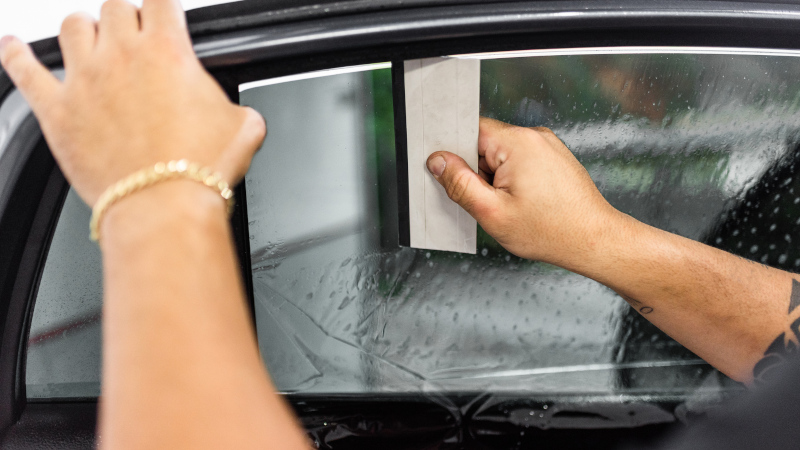
State Tint Laws
Every state has its own laws for car window tinting, so it’s important to look up regulations on how dark your window tint can be. In Florida, the VLT (visible light transmission) standards are as follows:
Sedans
- Front Side Windows: Minimum 28% VLT
- Rear Side Windows: Minimum 15% VLT
- Rear Window: Minimum 15% VLT
SUVs and Vans
- Front Side Windows: Minimum 28% VLT
- Rear Side Windows: Minimum 6% VLT
- Rear Window: Minimum 6% VLT
Different Tint Technologies
There are several different types of car window tint. The main ones are dyed, metalized, hybrid, carbon, and ceramic, and each has unique levels of heat rejection, UV protection, and other capabilities. Ceramic is considered a premium option and is known for its excellent ability to block UV and infrared rays.
Installation Requirements
Before you have car window tinting installed, you must understand what needs to be done before installation, as well as what you can and can’t do immediately following installation. This ensures the product works correctly and doesn’t get ruined. Before installation, make sure the windows are thoroughly cleaned for proper adhesion. After installation, avoid rolling down the windows for 3 to 5 days to allow the tint to cure. You should also avoid cleaning the windows for the first few weeks.
We are here to help you with your car window tinting needs. When you think of window tinting, think InvisiGuard and call 850-TINTING.